The Semantic Convergence: Why 2000's Metadata is 2025's AI Gold
How SBOM, Schema.org, and controlled vocabularies from the past are the missing key to AI's intention problem
IA:Plano de Adoção - Práticas
AI Governance - Plano de Adoção - Conteúdo voltado para Adoção frente ao desafios de Governança para IA
How SBOM, Schema.org, and controlled vocabularies from the past are the missing key to AI's intention problem
Everyone's talking about AI agents, automation, and the "death of RPA." But they're missing the elephant in the room.
The solution to AI's intention capture problem isn't in the future - it's in the metadata standards we built 20 years ago.
The Hidden Connection
Let me connect some dots that seem unrelated:
2000: Opalis (→ MSOrchestrator)
What we built: Workflow automation with structured data
What we learned: Metadata matters more than logic
 vista
vista
2011: Schema.org Launches
What we built: Universal vocabulary for the web
What we learned: Shared semantics enable understanding
2018: SBOM Becomes Critical
What we built: Software transparency through structured manifests
What we learned: Controlled vocabularies prevent chaos
2025: AI Can't Capture Intent
What we're missing: All of the above
What we need: Semantic structure, not more parameters
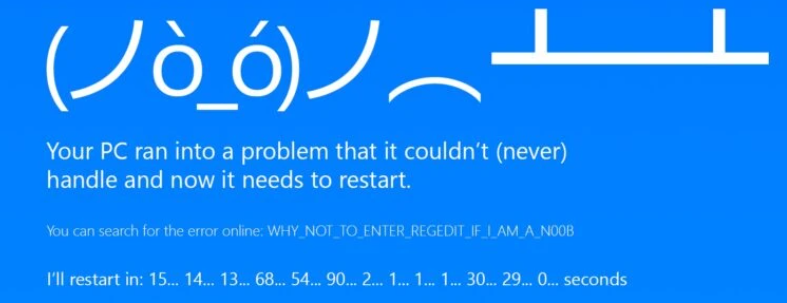
 "The New Bluescreen of Death"😄 Only those who lives it know
The Convergence Point
Here's what nobody's talking about:
The Uncomfortable Truth
Automation didn't die. It evolved.
2000: Opalis orchestrated systems
2010: Schema.org orchestrated meaning
2020: SBOM orchestrated dependencies
2025: We need to orchestrate intention
Why This Matters Now
The most valuable asset isn't:
❌ More training data
❌ Bigger models
❌ Faster inference
It's:
- ✅ Structured Semantic Layers
Think about it:
SBOM gives us dependency graphs → AI needs relationship graphs
Schema.org gives us shared vocabulary → AI needs controlled terms
Old orchestrators gave us deterministic flows → AI needs guardrails
The Practical Path Forward
Step 1: Vocabulary First
Before building agents, define your domain vocabulary:
Step 2: Intent Schemas
Structure intentions like SBOM structures dependencies:
Step 3: Semantic Validation
Use 20-year-old patterns for modern problems:
XML schemas → LLM output validation
SOAP contracts → Agent interaction protocols
REST principles → Stateless agent design
The Next Asset
Everyone's betting on:
Vertical agents
Specialized models
Custom training
But the real gold is:
Semantic Infrastructure
Controlled Vocabularies
Intent Schemas
Validation Frameworks
Who else sees this convergence?
About the author: 20 years be automation frameworks, bridging technical presales, licensing, security, and now semantic AI. Currently building the vocabulary layer that connects past wisdom to future capability.
[]`s Brito
#SemanticAI #SAGI #SBOM #SchemaOrg #IntentionCapture #AIInfrastructure #FutureOfAI #RAG #KAG